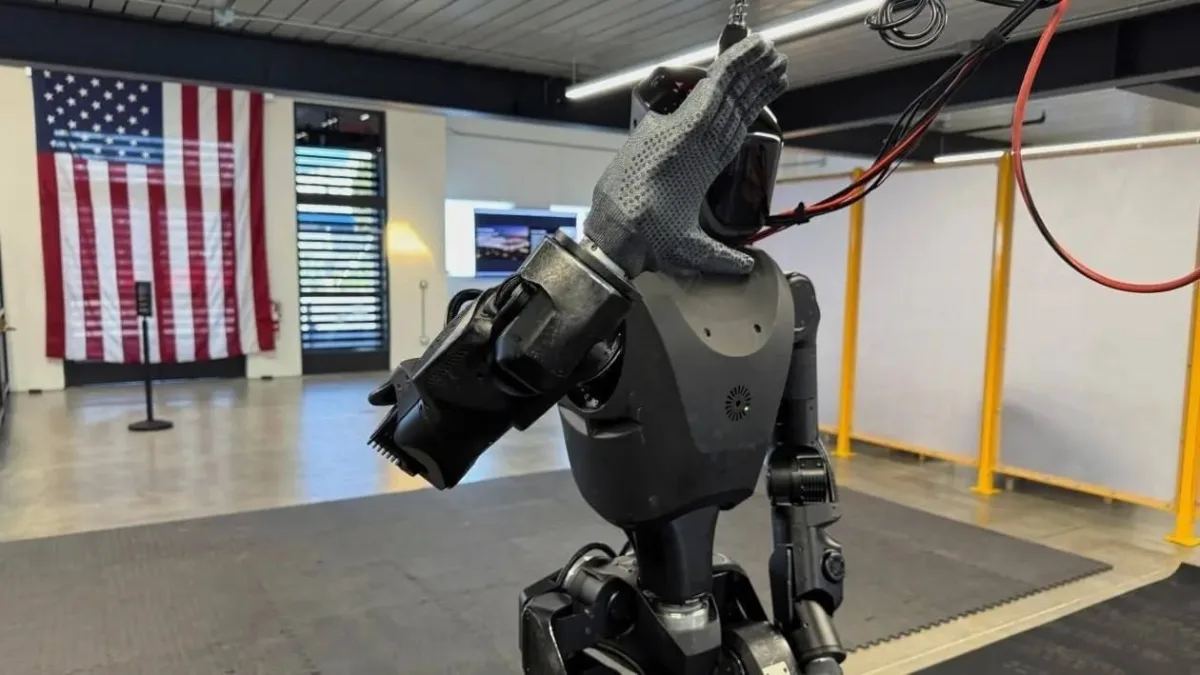
What once seemed like science fiction is quickly becoming reality.
Several reports indicate that American robotics companies have already begun testing humanoid robots in Ukraine, turning the battlefield into one of the world’s most important proving grounds for next-generation military technology. The development highlights how rapidly artificial intelligence, robotics, and autonomous systems are reshaping modern warfare.
Ukraine Has Become a Real-World Testing Ground
Since the start of the war, Ukraine has evolved into one of the most advanced environments for military technology testing.
Hundreds of defense companies from the United States and Europe are reportedly working with Ukrainian forces to evaluate new systems under real combat conditions. These include AI-powered drones, autonomous ground vehicles, electronic warfare systems, and increasingly sophisticated robotic platforms.
Unlike controlled military exercises, the Ukrainian battlefield provides developers with immediate feedback from active combat zones, allowing technologies to evolve far faster than traditional defense programs.
US Startup Reportedly Sent Humanoid Robots to Ukraine
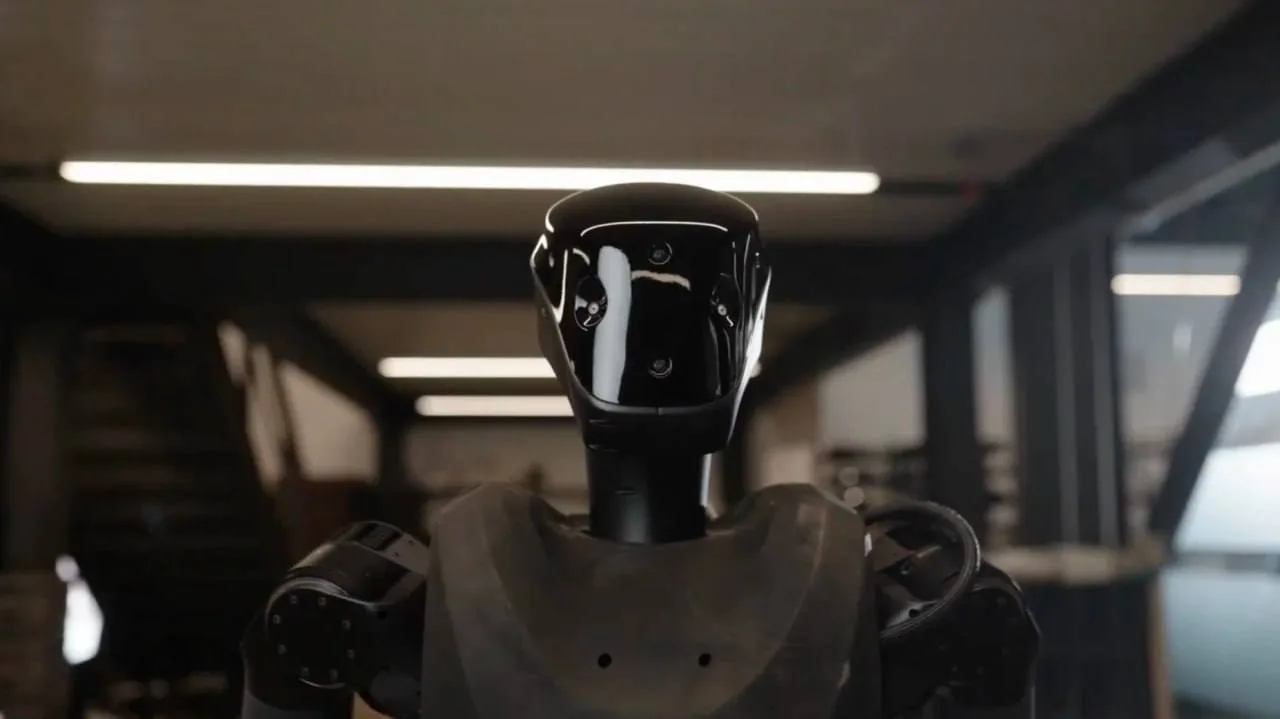
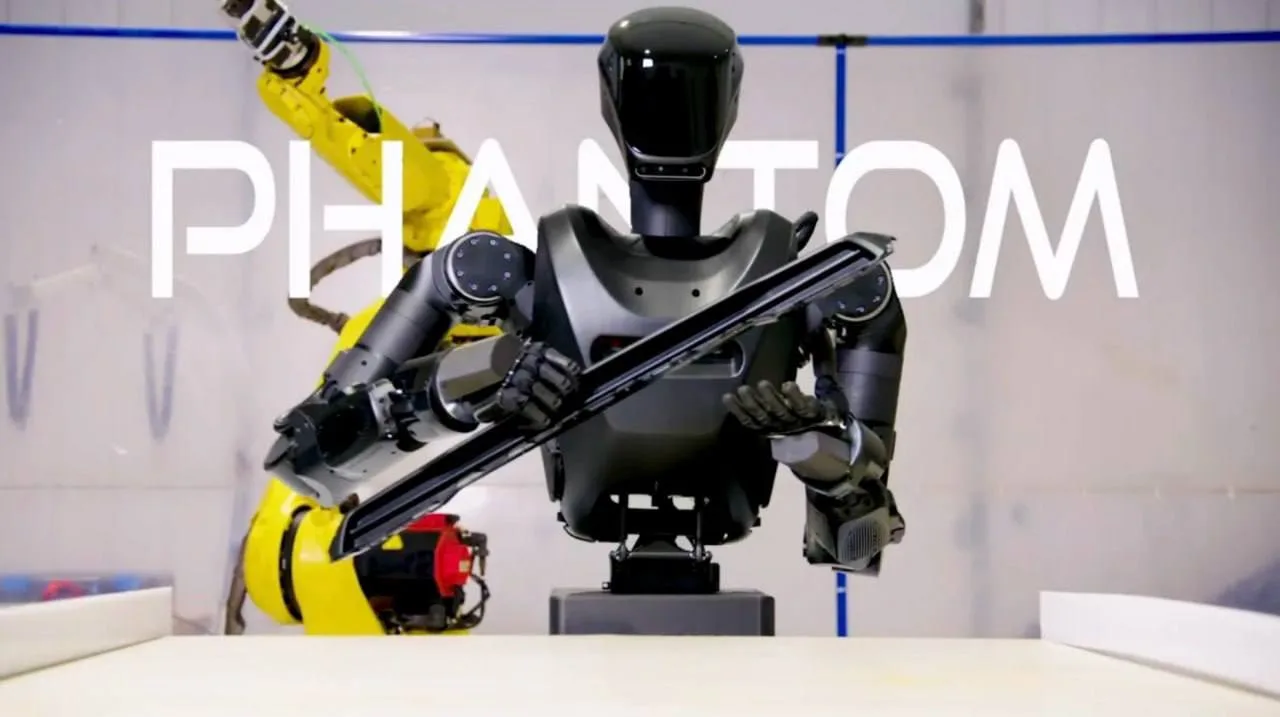
One of the most attention-grabbing developments involves a San Francisco-based robotics company called Foundation.
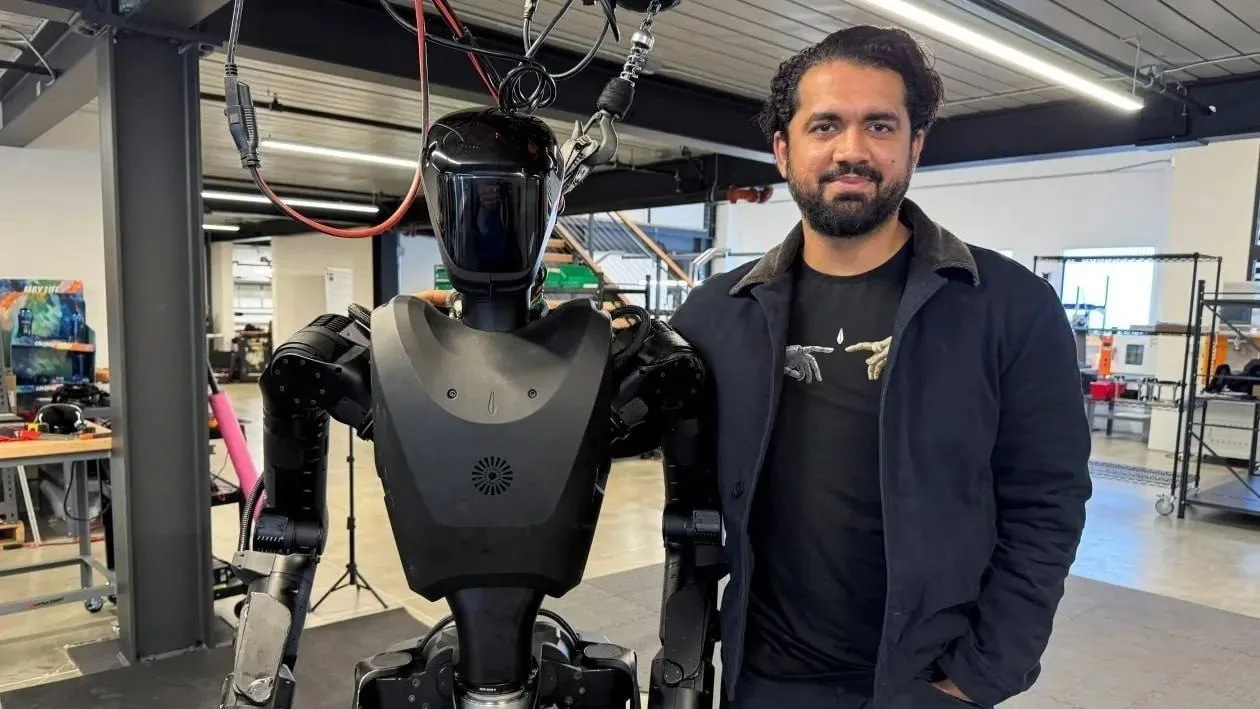
According to multiple reports, the company sent two Phantom humanoid robots to Ukraine for pilot testing and battlefield demonstrations. The robots were reportedly evaluated for reconnaissance, logistics, and supply transport missions near active combat areas.
The tests were not focused on replacing soldiers in combat. Instead, the goal was to determine whether humanoid machines could safely perform dangerous support tasks that normally expose troops to enemy fire.
Company representatives described the project as part of a broader effort to eventually reduce the number of humans placed in life-threatening battlefield situations.
Why Humanoid Robots?
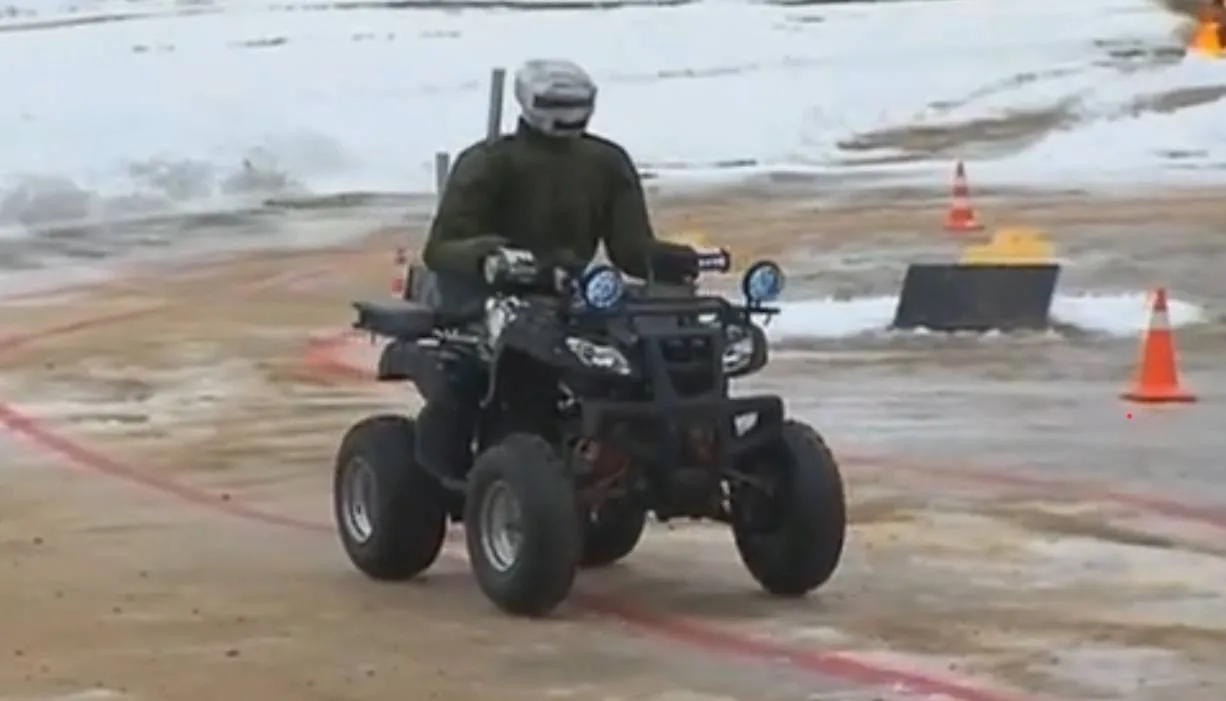
Unlike traditional military robots that use wheels or tracks, humanoid robots are designed to move through environments built for humans.
They can theoretically:
- Carry supplies through buildings and trenches
- Navigate stairs and obstacles
- Operate equipment designed for human hands
- Assist with reconnaissance missions
- Evacuate wounded soldiers
- Work in areas too dangerous for troops
The long-term vision is to create robotic systems capable of supporting military operations while reducing casualties.
The Battlefield Is Starting to Look Like Science Fiction
Ukraine is already deploying thousands of unmanned systems across land, air, and sea.
Ground robots are being used to transport ammunition, deliver supplies, evacuate wounded personnel, conduct surveillance missions, and in some cases carry weapons. Ukrainian officials say robotic systems have completed tens of thousands of battlefield missions in recent months.
Some military operators have compared today’s battlefield to scenes from movies like The Terminator, as autonomous machines increasingly take over dangerous frontline tasks.
Are Robot Soldiers Coming Next?
Not yet.
Experts say humanoid robots still face major limitations.
Current systems struggle with battery life, durability, speed, weather resistance, and complex physical interactions. Even the most advanced humanoid robots remain far from replacing human soldiers in direct combat situations.
However, progress is happening faster than many analysts expected.
As artificial intelligence continues improving and robotic hardware becomes more capable, military organizations around the world are closely watching developments in Ukraine.
The Future May Already Be Starting
For decades, robotic warfare existed mostly in science-fiction movies and military research labs.
Today, some of those concepts are being tested on real battlefields.
Ukraine has become the center of a new technological race involving autonomous systems, AI-powered machines, drones, and robotic platforms. While fully autonomous humanoid soldiers may still be years away, recent tests suggest that the first steps toward that future are already happening.