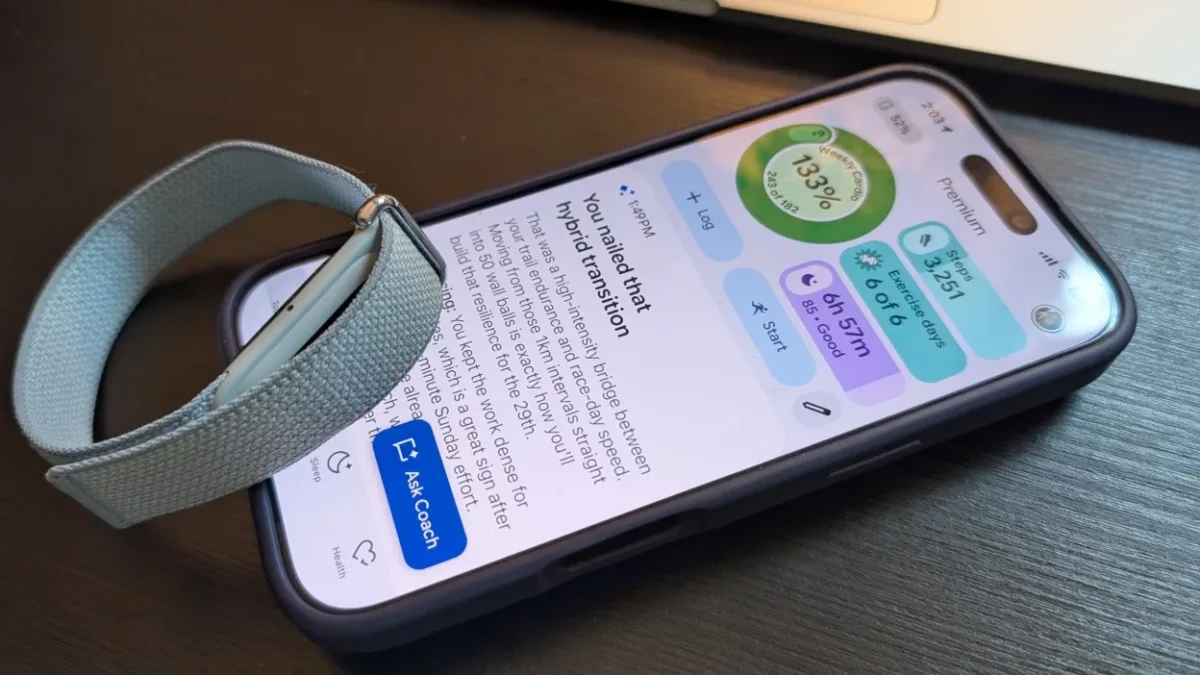
Google didn’t ask Fitbit users if they wanted a new app. It just gave them one.
On May 19, Google began force-updating the Fitbit app on Android and iOS into Google Health — a fully redesigned app built around an AI coach powered by Gemini. The switch coincided with the launch of the Fitbit Air, a screenless fitness band, and version 5.0 was required to set up the new device. Users had no choice but to upgrade.
What followed was predictable in hindsight. Runs were mislabeled as generic workouts. Sleep scores went missing in parts of the app. AI summaries were verbose and sycophantic. The food tracker broke. Data points were inconsistent between different sections. Reddit filled up with posts calling the app “ruined” and “slop.” The Play Store got review-bombed.
A 39-item public apology
Eight days later, Google published a support center roadmap on May 27 detailing more than 39 fixes and improvements planned for the weeks ahead — a rare move that signals just how badly the rollout had backfired.
The immediate fixes include correctly labeling runs that were marked as general workouts, addressing widespread complaints around food logging, and making the AI coach messages more concise. Coming later: custom food logging, restored sleep score display, hourly step goal charts, Apple Health sharing, dashboard customization, and a June fix for family-account migration issues.
On June 4, Google followed up with version 5.01 — the first concrete update since the backlash peaked, bringing 14 specific improvements to food logging and activity tracking accuracy.
What’s gone and not coming back
Here’s the part that stings. Fitbit’s beloved sleep animals and achievement badges have been scrapped entirely, and any legacy data tied to them will be wiped from Google’s servers on July 15. The dynamic calorie deficit tool has also been severely crippled.
Google had warned some features wouldn’t carry over, but the scale of the backlash suggests many users felt blindsided — especially since the app had been in public preview for years, yet still launched needing 39 patches within its first days. The fixes prove Google can move fast under pressure. The question is why the pressure had to come from review-bombing in the first place.
The bigger problem with Google Health
Google Health is not just a rebrand of Fitbit. It’s a major rebuild with new priorities — an AI-first platform that replaces a fitness tracker app people had spent years building daily routines around. That’s a hard transition to manage even when it goes well.
The Gemini-powered AI coach is the centerpiece of what Google is building — personalized insights, natural language summaries, proactive nudges. The vision is genuinely ambitious. But right now, the coach is writing essays when users just want to see their step count, and the app is missing features that Fitbit nailed years ago.
The roadmap is useful. But it also probably should have been published on the day Google Health took over for Fitbit — not eight days after the backlash peaked. Transparency after the fire is better than nothing. Transparency before it would have been better still.