YouTube is preparing a major update aimed at making AI-generated content far more transparent. The platform has confirmed that it will begin automatically detecting videos created or heavily modified with artificial intelligence and adding visible labels to them.
Until now, YouTube mostly relied on creators to disclose when generative AI tools were used in their videos. But that system is changing quickly. The company is now introducing automated detection systems designed to identify AI-generated or AI-altered content on its own.
AI Labels Will Become Much More Visible
The new labels will no longer stay hidden inside video descriptions.
For standard YouTube videos, the AI disclosure label will appear directly beneath the player. In Shorts, viewers may see AI labels displayed directly on top of the video itself. (theverge.com)
The move is designed to make it immediately clear when content has been generated or significantly altered using artificial intelligence.
How YouTube Plans to Detect AI Content
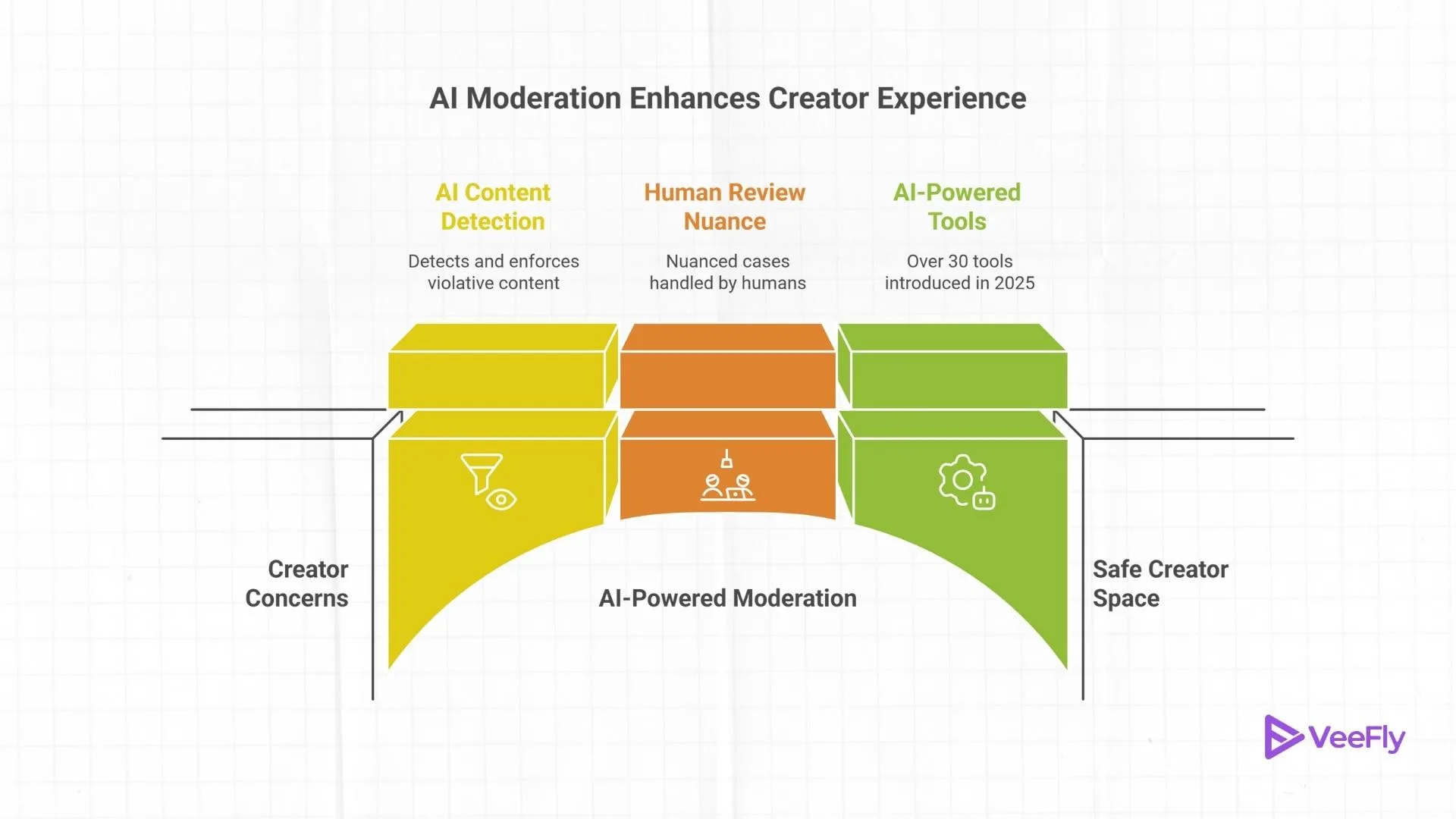
YouTube says it will combine multiple technologies to identify AI-generated media, including:
- internal machine learning detection systems;
- Google’s SynthID technology;
- C2PA metadata standards;
- signals from YouTube’s own AI creation tools. (theverge.com)
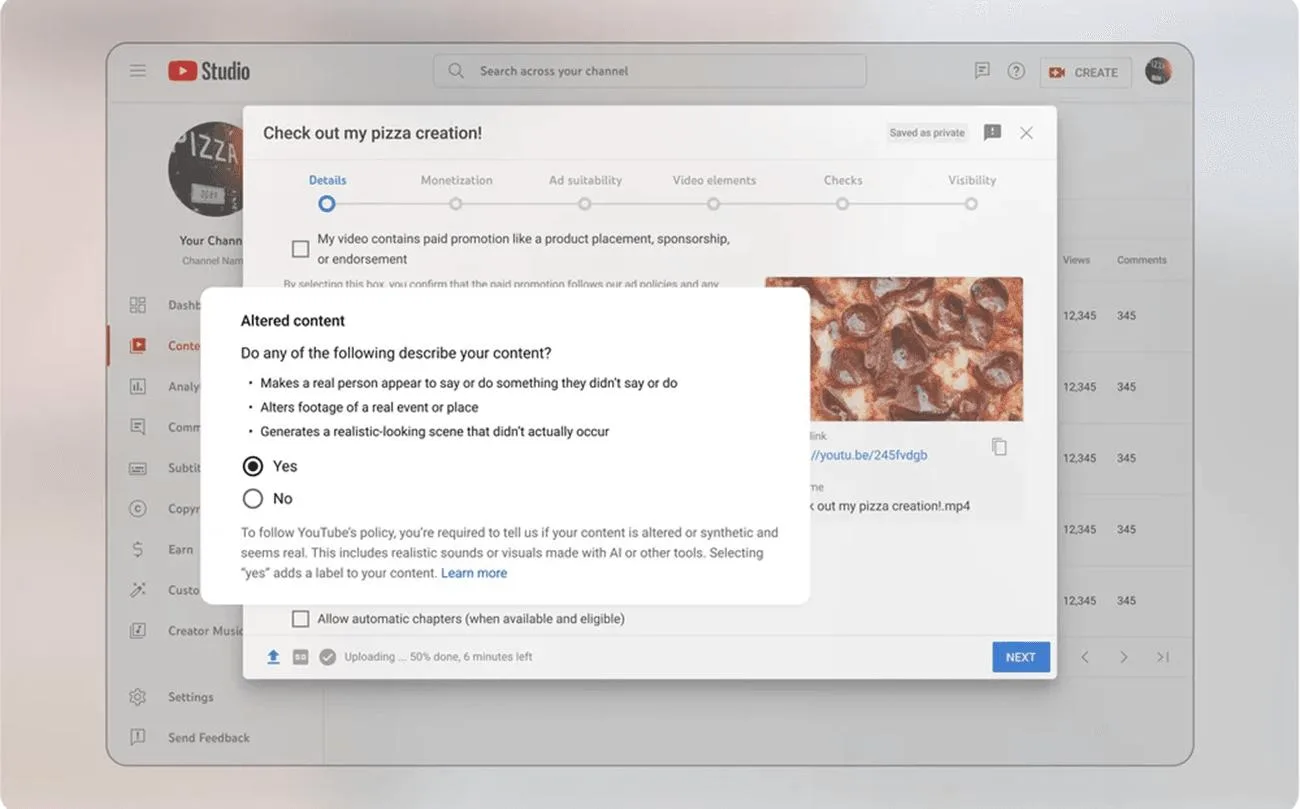
If YouTube determines that a video contains “significant photorealistic AI-generated content” and the creator failed to disclose it manually, the platform may automatically apply a label.
According to YouTube, some labels may not even be removable — especially for content generated using the company’s own AI tools such as Veo or Dream Screen.
A Big Shift for YouTube Creators
The update could have a major impact on creators who heavily rely on AI-generated content.
Over the past year, YouTube has seen a massive rise in so-called “AI slop” — low-quality videos produced almost entirely by generative AI tools, synthetic voices, and automated scripts. Many viewers have complained about fake news clips, misleading celebrity videos, and AI-generated misinformation flooding recommendations.
Recent studies suggest AI-generated videos already represent a significant portion of content surfaced to new users.
YouTube says the new labels are intended to improve transparency rather than punish creators. At least for now, the company claims AI labels will not directly affect monetization or recommendation rankings.
Why This Matters Right Now
As generative AI tools continue to improve, distinguishing real footage from synthetic content is becoming increasingly difficult. Deepfakes, AI-generated influencers, fake interviews, and manipulated political videos are spreading rapidly across social platforms.
YouTube’s new labeling system signals that the platform sees automated transparency as necessary moving forward. Instead of depending entirely on creators to disclose AI usage honestly, the company is beginning to enforce its own detection and labeling standards.
And this may only be the beginning.