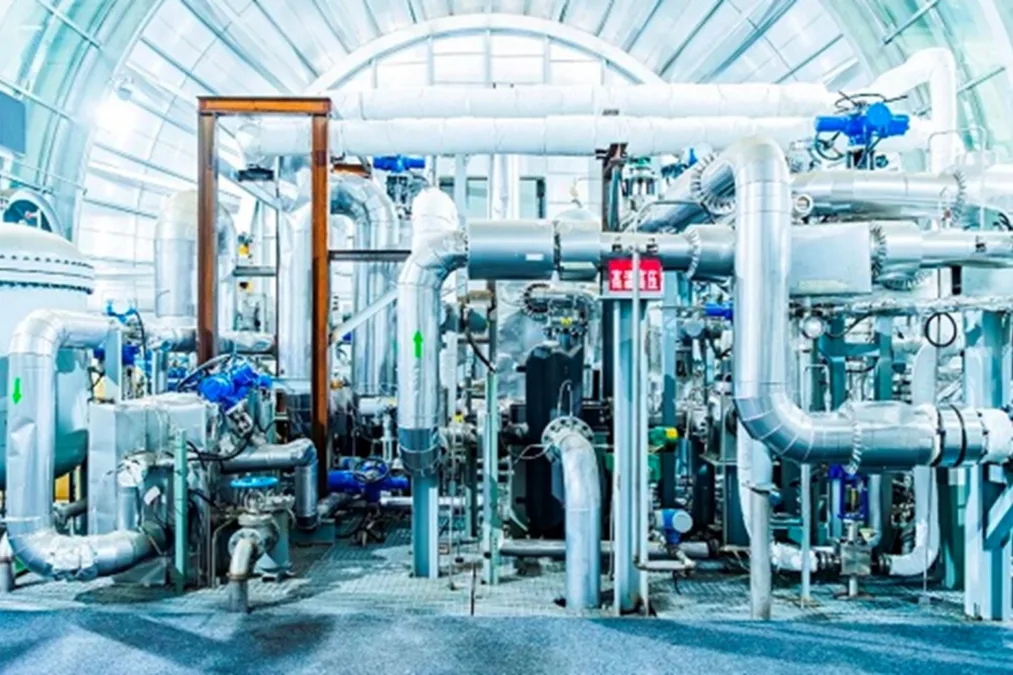
China has commissioned what is being described as the world’s first commercial 30-megawatt power plant designed to generate electricity from industrial waste heat. The project represents a significant step forward in energy efficiency and could help industries produce additional power without burning extra fuel.
Turning Lost Energy Into Useful Electricity
Every day, factories, steel mills, chemical plants, and power stations release enormous amounts of heat into the atmosphere. In most cases, this energy simply goes to waste.
The new Chinese facility aims to change that by capturing excess heat and converting it into electricity that can be fed back into the grid or used directly by industrial operations.
Engineers estimate that a large portion of industrial energy consumption is currently lost as heat, making waste heat recovery one of the most promising opportunities for improving efficiency.
How the Technology Works
Instead of relying on traditional fuel sources, the plant uses heat that would otherwise be discarded.
The system captures high-temperature exhaust energy from industrial processes and converts it into electrical power through specialized turbines and heat-recovery technologies.
Because the heat already exists as a byproduct, the process generates electricity without requiring additional fuel consumption.
Why This Matters
Energy experts have long argued that improving efficiency can be just as important as building new power plants.
Recovering waste heat offers several advantages:
- Lower energy costs
- Reduced fuel consumption
- Lower carbon emissions
- Increased industrial efficiency
- Better utilization of existing infrastructure
For energy-intensive industries, even small efficiency improvements can translate into significant financial savings.
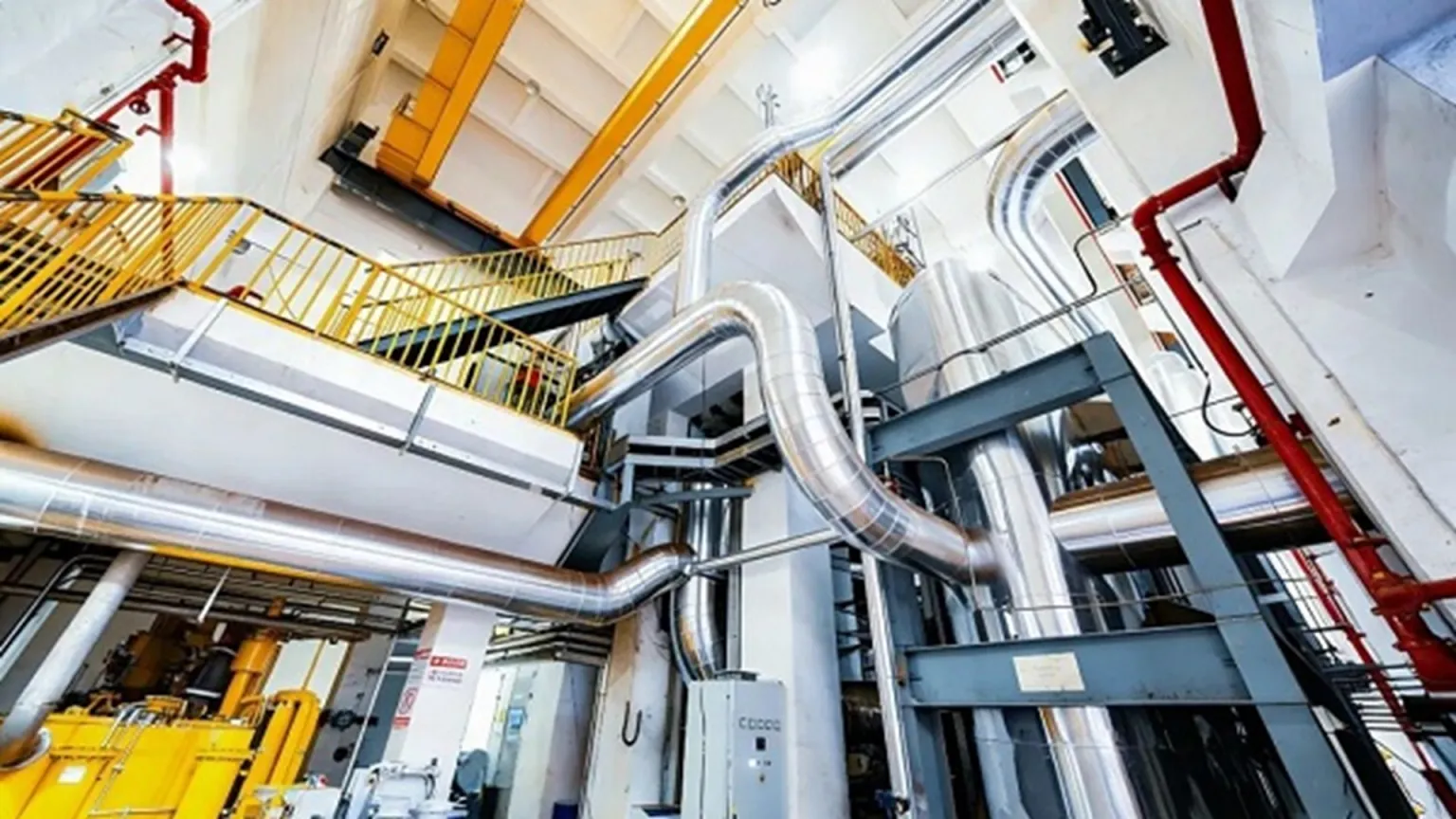
A Growing Trend Worldwide
China is not the only country exploring waste heat recovery technologies.
Similar systems are being developed across Europe, North America, and parts of Asia as governments and companies look for ways to reduce energy waste and improve sustainability.
However, the scale of the new 30 MW facility makes it one of the most ambitious projects of its kind.
The Potential Impact
If the technology proves successful, it could be adopted across a wide range of industries, including:
- Steel manufacturing
- Cement production
- Chemical processing
- Oil refining
- Traditional power generation
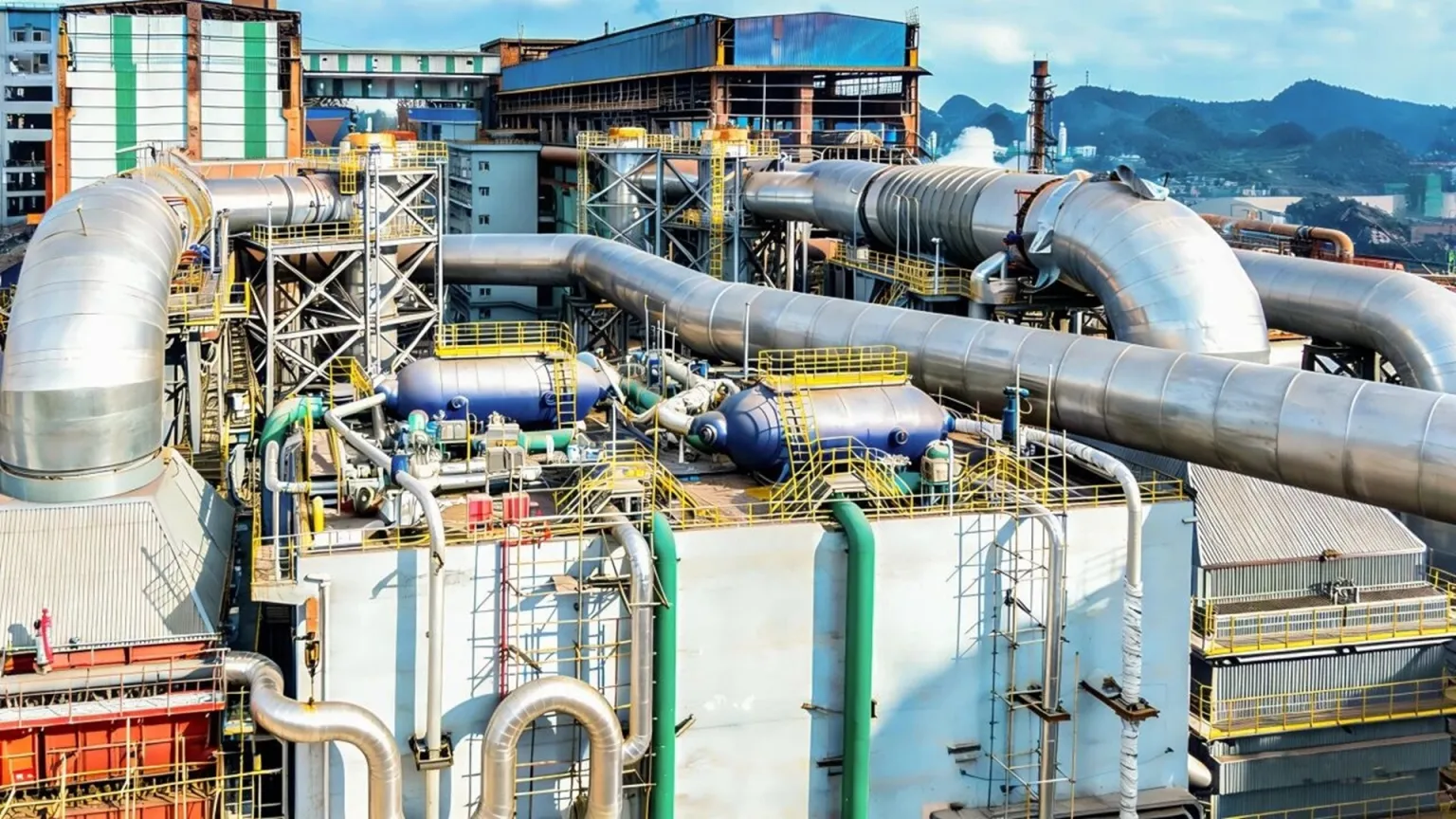
Many of these sectors produce large amounts of excess heat that currently goes unused.
A Different Approach to the Energy Transition
Much of the discussion around clean energy focuses on solar panels, wind turbines, and batteries. But projects like this highlight another important opportunity: using energy that is already being produced more effectively.
Rather than generating more power, the goal is to waste less of it.
As countries search for ways to meet rising electricity demand while reducing emissions, waste heat recovery could become an increasingly valuable part of the global energy mix.